How to Manage Construction Waste During a Home Renovation Without the Stress
Home renovations generate excitement, fresh design possibilities, and increased property value—but they also produce a significant amount of construction debris. From drywall scraps and broken tiles to old cabinets and packaging materials, renovation waste can quickly overwhelm a project if not managed strategically. Without a clear plan, cluttered job sites slow progress, increase safety risks, and create unnecessary stress for homeowners and contractors alike. Effective construction waste management is no longer optional; it is a critical component of responsible project execution. As renovation trends continue to prioritize open layouts, upgraded kitchens, and modernized interiors, the volume of debris generated has steadily increased. Homeowners who fail to prepare for this reality often find themselves facing unexpected delays and rising cleanup costs. Proactive waste planning ensures the renovation remains organized from demolition through final inspection.
In today’s construction industry, proper waste handling supports safety compliance, environmental responsibility, and budget control. Local regulations, landfill restrictions, and sustainability goals require thoughtful disposal and recycling strategies. More importantly, organized waste management keeps renovation timelines on track and protects the overall investment. By understanding how to sort, contain, remove, and recycle materials efficiently, homeowners can reduce chaos and focus on the transformation taking place. A structured approach also enhances contractor productivity and minimizes neighborhood disruption. With clear systems in place, projects run more smoothly, inspections proceed without complications, and final results reflect careful planning at every stage. This guide outlines practical, expert-backed strategies to help you manage construction waste during a home renovation without unnecessary stress or disruption.
1. Planning Waste Management Before Demolition Begins
Conduct a Pre-Renovation Waste Assessment
Stress-free construction waste management starts long before demolition begins. A thorough waste assessment allows homeowners and contractors to estimate the volume and type of debris the renovation will generate. Common materials include wood framing, drywall, concrete, tile, metal fixtures, insulation, and packaging waste. By identifying these categories early, you can determine which materials are recyclable, reusable, or destined for landfill disposal.
For example, kitchen renovations often produce wood cabinets, metal appliances, laminate countertops, and ceramic tiles. Knowing this in advance allows you to arrange appropriate disposal solutions instead of scrambling midway through the project.
Understand Local Regulations and Disposal Requirements
Every municipality has specific rules regarding construction debris disposal. Certain materials—such as treated wood, asbestos, paint, and electronics—may require special handling. Failure to comply can result in fines or project delays.
Researching local guidelines ensures that waste is separated and transported correctly. This proactive step reduces last-minute complications and prevents unexpected costs.
Create a Waste Management Plan
A structured waste management plan outlines:
- Types of waste expected
- On-site sorting procedures
- Dumpster placement location
- Scheduled pickup timelines
- Recycling and donation opportunities
When waste handling becomes part of the renovation blueprint, it integrates seamlessly into daily operations rather than becoming an afterthought.
2. Choosing the Right Waste Containment Solution
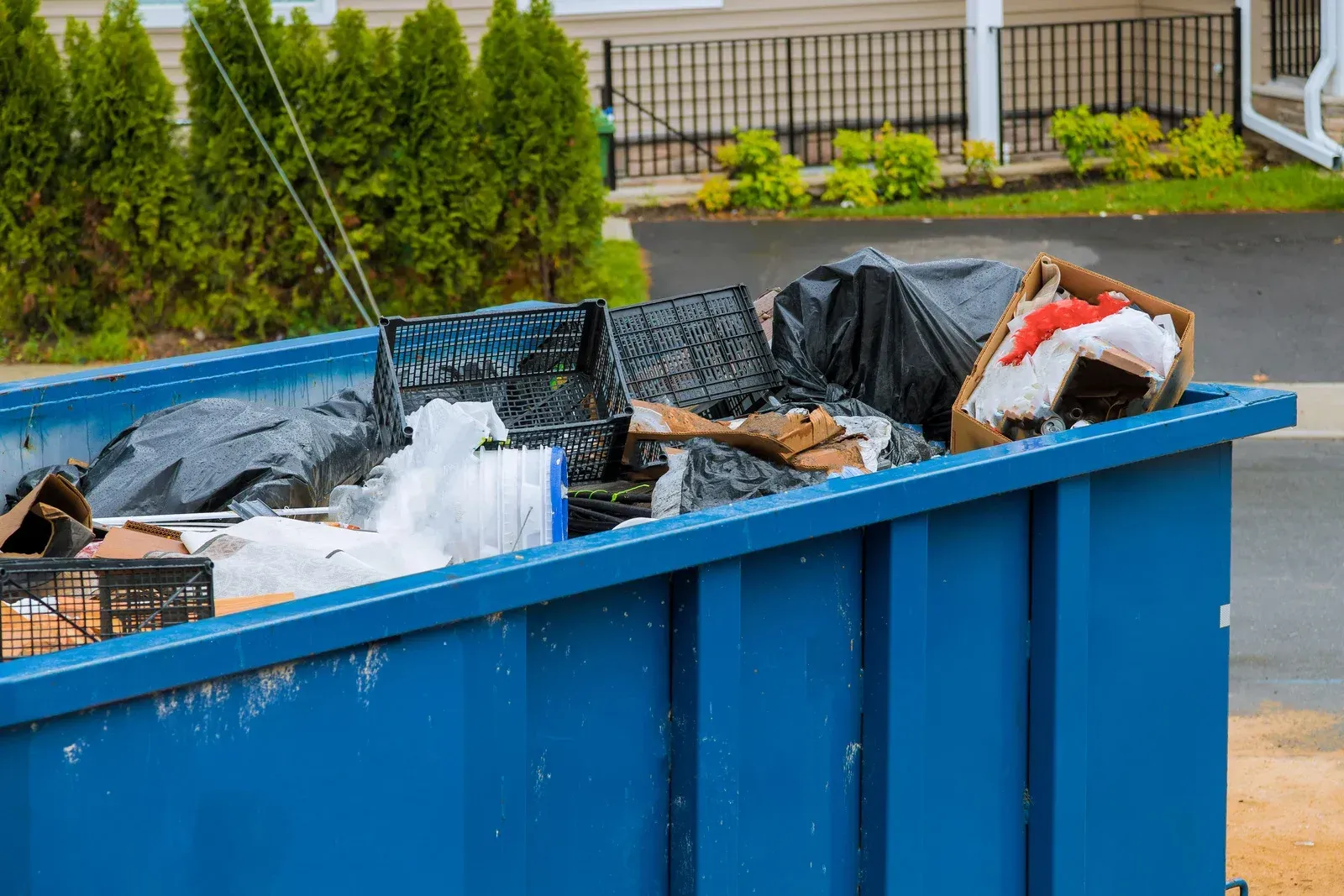
Selecting the Appropriate Dumpster Size
One of the most common stressors during renovation is underestimating debris volume. An overloaded container leads to additional hauling fees and delays. Conversely, renting an oversized dumpster wastes budget.
Common residential renovation projects typically require:
- Small bathroom remodel: 10-yard dumpster
- Kitchen remodel: 15–20-yard dumpster
- Whole-home renovation: 20–30-yard dumpster
Selecting the correct size ensures debris is contained safely without interrupting workflow.
Strategic Placement for Efficiency and Safety
Dumpster placement significantly impacts project efficiency. Position the container close to the primary work area to minimize hauling distance but far enough to maintain safe pathways and driveway access.
Best practices include:
- Avoid blocking sidewalks or neighboring properties
- Place on stable, level ground
- Use protective boards under the container to prevent surface damage
Proper placement reduces trip hazards and improves productivity.
Scheduling Timely Haul-Away Services
Construction debris accumulates rapidly. Instead of waiting until the container is full to arrange removal, schedule pickups in advance. For large renovations, consider multiple hauls throughout the project timeline.
Proactive scheduling prevents overflow, maintains a clean job site, and keeps crews working efficiently.
3. Sorting and Recycling Construction Materials
Why Waste Separation Matters
Mixed debris increases landfill contributions and disposal costs. Separating materials at the source enables recycling facilities to process wood, metal, concrete, and cardboard effectively. Many regions now require construction waste diversion targets to reduce environmental impact.
On-site sorting may involve designated areas or clearly labeled containers for:
- Wood and lumber
- Metals
- Concrete and masonry
- Cardboard and packaging
- General waste
Organized separation improves recycling rates and may reduce disposal fees.
Reusing and Donating Usable Materials
Not all renovation debris is waste. Cabinets, doors, lighting fixtures, and hardware in good condition can often be reused or donated to local reuse centers or nonprofit building material organizations.
For example, gently used kitchen cabinets can serve in garage storage upgrades. Salvaging hardwood flooring can reduce material costs in future projects. This approach supports sustainability while minimizing landfill dependency.
Recycling Heavy Materials Like Concrete and Metal
Concrete and brick can often be crushed and repurposed as aggregate for new construction. Scrap metal from plumbing and fixtures is highly recyclable and frequently accepted at recycling facilities.
Proactive recycling reduces environmental footprint and demonstrates responsible project management.
4. Maintaining a Clean and Safe Job Site
Daily Cleanup Protocols
A cluttered renovation site increases the risk of accidents. Sharp nails, broken tiles, and unstable debris piles create hazards for workers and homeowners. Establishing daily cleanup routines keeps the site organized.
Effective practices include:
- Clearing debris at the end of each workday
- Keeping walkways unobstructed
- Using heavy-duty trash bags for small debris
- Removing protruding nails from discarded lumber
Routine maintenance prevents injuries and maintains professional standards.
Dust and Hazardous Material Control
Construction dust contains fine particles that can affect indoor air quality. Use plastic barriers to isolate work areas and cover HVAC vents to prevent contamination. Hazardous materials, such as old insulation or paint chips, should be handled according to safety guidelines.
Proper containment safeguards health and prevents cross-contamination within the home.
Clear Communication with Contractors
Miscommunication often leads to waste mismanagement. Establish clear expectations regarding cleanup responsibilities and disposal procedures. A written agreement outlining who handles waste removal ensures accountability and prevents disputes.
When everyone understands their role, the renovation progresses smoothly and safely.
5. Reducing Waste at the Source
Order Materials Accurately
Over-ordering materials leads to unnecessary waste. Accurate measurements and careful planning minimize leftover drywall, tile, and lumber. Collaborate with contractors to calculate quantities precisely using verified plans and updated site measurements.
While small buffers are necessary, excessive surplus increases disposal needs and costs. Careful forecasting prevents storage issues and unnecessary project complications.
Choose Sustainable Building Materials
Opting for sustainably sourced materials reduces environmental impact. Engineered wood products, recycled-content drywall, and modular cabinetry systems can limit waste during installation while supporting long-term environmental responsibility goals.
Additionally, pre-cut or factory-assembled components generate fewer on-site scraps compared to fully custom builds. This approach streamlines installation timelines and reduces labor inefficiencies.
Implement Smart Packaging Management
Renovation materials often arrive wrapped in plastic and cardboard. Request suppliers to minimize packaging when possible and consolidate deliveries to reduce excess materials. Flatten and recycle cardboard promptly to avoid clutter accumulation.
Simple procurement adjustments can significantly decrease waste volume. Coordinating supply deliveries properly also improves overall site organization.
6. Managing Costs and Avoiding Common Pitfalls
Budgeting for Waste Removal
Many homeowners underestimate waste disposal expenses. Dumpster rental, hauling fees, recycling charges, and permit costs should be included in the renovation budget from the beginning to avoid financial strain.
Allocating funds specifically for waste management prevents financial surprises and keeps the project within scope. It also ensures uninterrupted debris removal services.
Avoiding Illegal Dumping and Shortcut Decisions
Attempting to cut costs by disposing of debris improperly can lead to severe penalties. Illegal dumping damages the environment and may result in fines far exceeding legitimate disposal costs and harming community standards.
Professional waste management ensures compliance and protects property owners from liability. It also maintains a safe and reputable renovation process.
Monitoring Progress Throughout the Project
Regularly assess how quickly debris accumulates. Adjust hauling schedules if necessary to prevent overflow and worksite congestion. If the project scope expands, revise the waste management plan accordingly.
Flexibility combined with proactive oversight eliminates last-minute stress. Consistent monitoring keeps renovation timelines efficient and predictable.
Experienced Waste Management Professionals You Can Rely On
Managing construction waste during a home renovation requires preparation, organization, and consistent oversight. From conducting a pre-project waste assessment to selecting the correct dumpster size and implementing recycling practices, every step contributes to a cleaner, safer job site. Effective waste management supports regulatory compliance, protects the environment, controls costs, and keeps renovation timelines on track. By integrating these best practices into your renovation strategy, you reduce stress and maintain focus on the transformation of your home rather than the burden of debris.
When dependable waste solutions are essential,
Dinsmore Construction Services
stands as a trusted authority in the dumpster rental industry. With 30
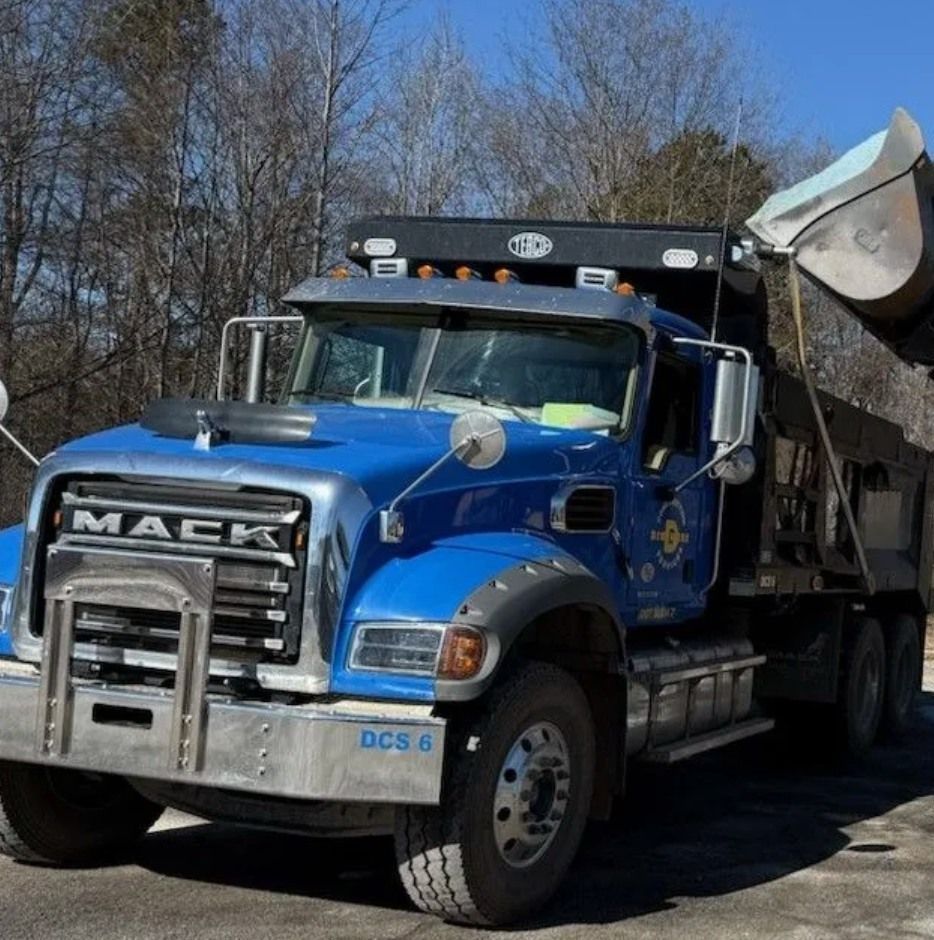
years of experience serving Dahlonega, Georgia, the company understands the practical demands of residential renovations and construction cleanup. Their expertise ensures homeowners receive appropriately sized containers, reliable delivery schedules, and professional support throughout the project lifecycle. By prioritizing safety, efficiency, and customer satisfaction, Dinsmore Construction Services helps clients maintain organized job sites and seamless waste removal. Choosing an experienced dumpster rental partner allows homeowners to approach renovation projects with confidence, knowing debris management is handled responsibly and efficiently from start to finish.